

We won't publish bypass instructions for RICOCHET anti cheat. Not partial ones, not "for research purposes," not hidden in a metaphor. What you get here instead: how RICOCHET's detection actually works at a conceptual level, why "undetected" timers are a snapshot and not a promise, what your Windows setup does to your risk profile, and how to evaluate a cheat vendor before you hand over payment.
RICOCHET runs as a kernel driver. That single fact explains almost everything else in this guide — why detection is hard to predict, why compatibility settings matter, and why Norium tracks live status instead of making blanket guarantees. A few technical terms come up repeatedly: Driver Signature Enforcement (DSE), which controls whether Windows lets a driver load at all, and ObRegisterCallbacks, a kernel mechanism that lets anti-cheat software strip permissions off handles other processes try to open. Both matter to you as a buyer, not as a cheat developer, and we'll keep it that way.
Here's what this guide actually covers:
- High-level detection signals modern kernel anti-cheat software watches for
- Why live "undetected" timers are fragile by design, not by accident
- An OS and hardware compatibility checklist that affects your risk
- A buyer-safety checklist for evaluating any cheat vendor
- What happens if you're flagged, and the official channels for appeals
Key Takeaways
Live detection status only reflects the last known state of RICOCHET's kernel-level checks, and system compatibility, vendor transparency, and refund policy determine your actual risk.
| Point | Details |
|---|---|
| Status is a snapshot | "Undetected" timers reflect the last confirmed state, not a future guarantee. |
| Compatibility changes risk | DSE, HVCI, and Secure Boot settings on your system affect detection exposure. |
| Vendor signals matter most | Live status transparency, human support, and refund policy separate trustworthy vendors from risky ones. |
| Bans escalate in stages | Detection can move from soft suspension to permanent and hardware-level bans. |
| Use official appeal channels | If flagged, stop cheat use immediately and appeal through the game's own support system. |
| Norium tracks live status per game | Norium pairs per-title live status updates with human Discord support and a 24-hour refund window. |
Table of Contents
- How Ricochet Anti Cheat Detects Cheating At A Kernel Level
- Why "Undetected" Status Changes Without Warning
- Windows And Hardware Settings That Affect Detection Risk
- What Separates A Trustworthy Cheat Vendor From A Risky One
- Bans, Hardware Flags, And Other Real Consequences
- Why This Guide Won't Include Bypass Instructions
- The Detection Arms Race Never Actually Stops
- Where To Learn More About Kernel Anti-Cheat Systems
- Our Take: Buyer Safety Beats Bravado Every Time
- Get Live Status And Real Support, Not A Guessing Game
- Frequently Asked Questions
- Sources
How Ricochet Anti Cheat Detects Cheating At A Kernel Level
RICOCHET detects cheating by watching kernel-level behavior, not just scanning files on disk. Kernel callbacks, driver signature checks, and memory-access monitoring form the core of how modern anti-cheat systems like this one work, and form essential defense mechanisms.
The mechanism worth understanding first is privilege level. Usermode anti-cheat checks run at the same permission level as the game itself, which means anything running with higher privilege, a kernel driver, for instance, can see past them entirely. That's why anti-cheat vendors moved into kernel mode themselves. Once there, they gain access to techniques like ObRegisterCallbacks and VAD walking, which let the system strip dangerous permissions off process handles and inspect virtual address descriptors for suspicious memory mappings. Kernel-level systems also perform NMI stackwalking and hardware validation, interrupting execution briefly to check that call stacks look legitimate across every thread.
Kernel-mode cheats, on their side, typically read game memory directly through privileged access and then hand that data off to a usermode overlay for drawing ESP boxes or aim assistance. This is why kernel-level ESP implementations rely on acquiring core process structures like EPROCESS before they can do anything useful. Neither side has a permanent advantage. It's a privilege-level arms race, and RICOCHET sits on the defensive end of it.

| Detection technique | What it checks | Buyer implication |
|---|---|---|
| Driver Signature Enforcement (DSE) | Whether a kernel driver carries a valid, trusted signature | Unsigned or improperly signed drivers get flagged or blocked outright |
| ObRegisterCallbacks | Handle access requests to protected processes | Reduces what usermode and some kernel tools can read or write |
| VAD walking | Memory region mappings for irregular or hidden allocations | Unusual memory layouts increase flag risk |
| NtReadVirtualMemory monitoring | Calls that read another process's memory | High-frequency or patterned reads raise suspicion scores |
| HVCI (memory integrity) | Whether kernel code has been tampered with post-load | Makes unsigned or modified drivers far harder to load quietly |
Why "Undetected" Status Changes Without Warning
Live status is a snapshot of the last known state, not a guarantee about what happens tomorrow. That distinction gets lost constantly in cheat marketing, and it's the single most important thing to understand before you buy anything advertised as undetected.
Several mechanics cause status to shift, sometimes overnight, sometimes mid-session:
- Telemetry lag — anti-cheat vendors collect data before acting on it, so a method can already be flagged internally before public status catches up.
- Sampling — not every player or every session gets the same scrutiny; detection can roll out gradually across a population.
- Blocklists — a driver signature, hash, or behavioral pattern gets added to a blocklist and every existing key using that method goes dark at once.
- Server-side correlation — accounts get compared against each other, so a spike in similar suspicious patterns can trigger a wave of bans well after the fact.
- Patch cycles — anti-cheat updates ship on their own schedule, unconnected to whatever timer a vendor is showing you.
Public research and code repositories documenting kernel bypass attempts, including driver-level syscall interception projects, exist openly. Their presence is exactly why status can't be static. Every time a method becomes public or gets reverse-engineered by an anti-cheat team, the clock resets on its safety.
Pro Tip: Treat any "X days undetected" timer as a floor, not a ceiling. Cross-reference it against how recently the game itself pushed an anti-cheat update, and never assume a long streak means the underlying method is fundamentally safe.
Windows And Hardware Settings That Affect Detection Risk
Your operating system configuration changes your risk profile before you ever load anything. Windows version, Driver Signature Enforcement, Hypervisor-Protected Code Integrity (HVCI), and Secure Boot status all shape whether a kernel-level cheat can load cleanly and how visible it is once running.
| Compatibility factor | Why it matters | Typical buyer action |
|---|---|---|
| Windows version/build | Newer builds patch known driver-loading quirks faster | Check which build a vendor's compatibility notes reference |
| Driver Signature Enforcement (DSE) | Blocks unsigned kernel drivers from loading at all | Understand your current DSE state before assuming a product will run |
| HVCI (memory integrity) | Verifies kernel code hasn't been altered after load | Confirm whether your system has HVCI enabled in Windows Security settings |
| Secure Boot / TPM | Root-of-trust checks that affect what firmware and kernel components pass validation | Check BIOS/UEFI settings; some laptops enable this by default |
| IOMMU status | Affects DMA-based memory access paths at the hardware level | Confirm from motherboard/BIOS documentation, not guesswork |
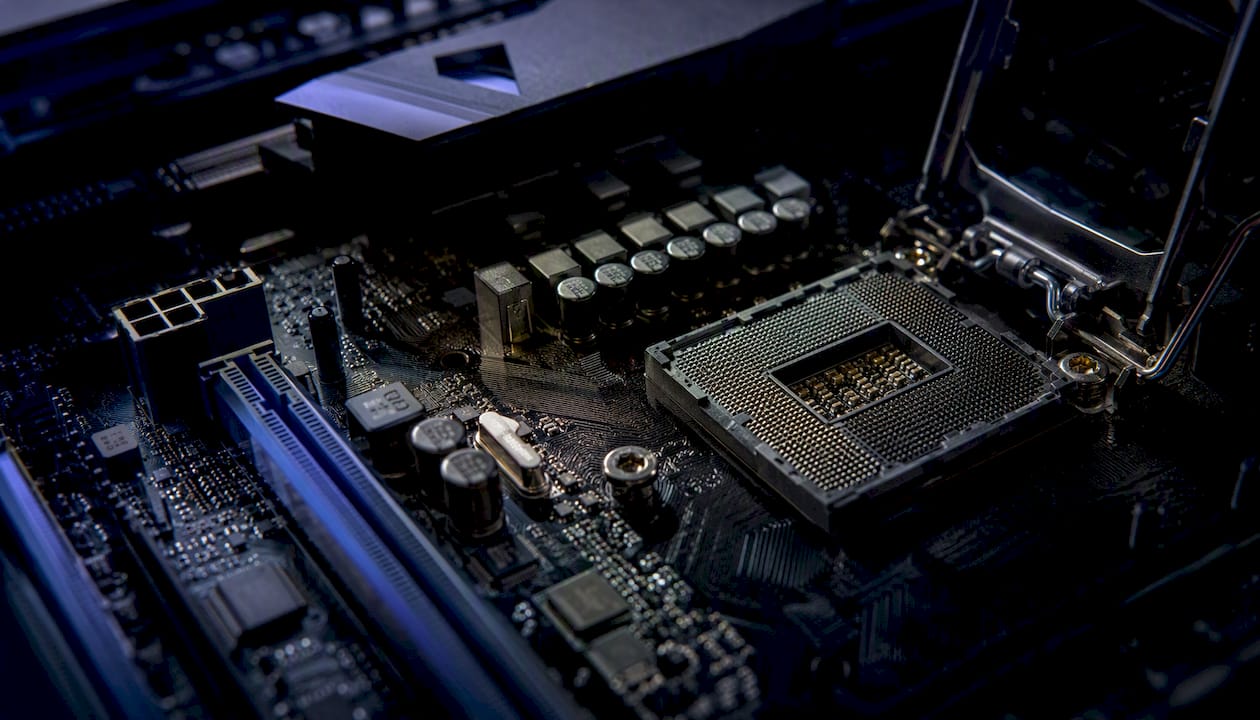
HVCI and Secure Boot in particular change the entire loading conversation. A system with both fully enabled treats unsigned or modified kernel code very differently than one running in a looser default configuration, and driver signing status is one of the most consistent factors in whether a kernel-level tool runs quietly or gets flagged immediately. None of this is a workaround guide. It's a map of what's already true about your machine before you spend a dollar on anything.
What Separates A Trustworthy Cheat Vendor From A Risky One
Three signals matter more than any marketing claim: live status transparency, real human support, and a working refund policy. A vendor that gets all three right is worth far more trust than one making the boldest "100% undetected forever" promise on their homepage.
Run through this checklist before purchasing from anyone:
- Does the vendor show a live, timestamped undetected status rather than a static claim?
- Is there a clear refund window if a key fails to activate?
- Does support run through real humans on Discord, not just an automated ticket bot?
- Has the product been through independent malware scanning, and is that documented anywhere?
- Are changelogs public, showing when updates happened and why?
Before you buy, ask the vendor directly:
- What's your current refund policy if the key doesn't activate?
- How often is your live detection status updated, and by whom?
- Can I reach a real person if something goes wrong mid-session?
- Do you publish changelogs when a product gets updated or pulled?
- What happens to my payment if the product gets flagged right after purchase?
Norium's own buyer's guide on choosing a safe provider walks through these same questions in more depth, and its catalog pages show live status per title rather than a single blanket claim.
Bans, Hardware Flags, And Other Real Consequences
Using cheats carries three concrete risks: permanent account bans, hardware (HWID) bans, and exposure to malware bundled inside untrustworthy cheat software. None of these are hypothetical, and all three scale with how long and how often you use a flagged product.
The typical ban lifecycle moves through stages. Detection happens first, often silently. Some systems apply a soft suspension, a temporary lockout meant to interrupt cheating without tipping off the user that they've been fully identified. If the pattern repeats or the confidence score is high enough, a permanent ban follows. HWID bans go a step further, tying the ban to hardware identifiers rather than just the account, which is why HWID mitigation tools exist as a separate product category entirely from cheat software itself.
If you've already been flagged: stop using any cheat software immediately. Preserve screenshots, purchase receipts, and support chat logs before doing anything else. File an appeal through the game's official support channel, not a third-party forum. Do not attempt any technical workaround while an appeal is pending, since renewed activity almost always voids your case.
Why This Guide Won't Include Bypass Instructions
Publishing exploit code or step-by-step bypass instructions would violate the terms of service of every major game platform and put readers at direct legal and account risk. That's a firm line, not a marketing position.
- Kernel-level vulnerabilities do get documented publicly by security researchers, and that research has real value: it helps defenders patch flaws before they're weaponized at scale.
- A public teardown of a kernel anti-cheat module, for example, can reveal a specific architectural weakness that developers then patch, which is exactly the kind of disclosure that improves security over time.
- Similarly, writeups on vulnerable anti-cheat drivers with hardcoded authentication flaws exist in the security research community, not as how-to guides for evasion.
If you're technically curious, that research is public and searchable. This guide stays on the buyer-safety side of that line on purpose.
The Detection Arms Race Never Actually Stops
Anti-cheat protection escalates in a predictable pattern: usermode checks, then kernel-level monitoring, then hypervisor and hardware-assisted verification. Each stage exists because the previous one got bypassed at scale, and RICOCHET's kernel-level design reflects where that escalation currently sits.
- Usermode era — early anti-cheat ran at the same privilege level as the game, and was routinely defeated by tools running just one level higher.
- Kernel era — anti-cheat vendors moved into kernel mode to regain the privilege advantage, which is where systems like RICOCHET operate today.
- Hypervisor and hardware-assisted era — some anti-cheat research now points toward virtualization-based and hardware-rooted verification, extending the trust chain below the operating system itself.
Behind that architecture sits a constant operational cycle: signature and blocklist updates, telemetry rule changes, and periodic driver blocklisting, usually pushed alongside the game's own patch schedule. None of it runs on a fixed public timetable, which is exactly why a vendor's "days undetected" counter can look solid one afternoon and reset that same night.
Where To Learn More About Kernel Anti-Cheat Systems
These sources exist to help you understand detection mechanics, not to help you bypass them. Read them for the concepts, not for a script to run.
- How Kernel Anti-Cheats Work: A Deep Dive — solid technical foundation on privilege levels
- Understanding Kernel-Level Anticheats in Online Games — good on NMI stackwalking and integrity checks
- Norium's anti-cheat explainer — vendor-authored plain-language background on EAC, BattlEye, and Vanguard-style systems
Use these to understand why a status changes, not to chase a workaround. The mechanics stay useful long after any specific bypass gets patched out.
Our Take: Buyer Safety Beats Bravado Every Time
The cheat market rewards confident claims. "100% undetected." "Never banned." Those phrases sell keys, and that's exactly why they deserve skepticism rather than trust. A vendor willing to show you a live, honestly updated status feed, including the moments it changes for the worse, is telling you more than any guarantee ever could.
What gets underestimated most in this space isn't the technical side. It's how much a refund policy and a responsive human on the other end of a Discord message actually reduce real-world risk. Detection status will always be a moving target; RICOCHET updates on its own schedule, and no vendor controls that. What a vendor can control is whether they tell you the truth quickly when something breaks, and whether they make you whole if a key never worked in the first place.
We'd rather lose a sale to honesty than win one on a promise we can't back up.
Get Live Status And Real Support, Not A Guessing Game
Norium is built around the part of this guide that matters most: live, timestamped detection status instead of a flat "undetected" claim frozen in time. Every product in the catalog shows current status per game, backed by human support on Discord instead of an automated ticket queue, and a 24-hour refund window if a key fails to activate.
That combination, transparency on status, a person who actually responds, and a real refund policy, is exactly what the buyer-safety checklist above asks you to look for. If you've read this far and want to check current compatibility and live detection status for a specific title before buying, start with the game cheats catalog and confirm status for your game before you commit.
Frequently Asked Questions
What does RICOCHET anti cheat actually detect? RICOCHET monitors kernel-level behavior, including unsigned driver loads, unusual memory-access patterns, and handle requests to protected processes, rather than only scanning files on disk.
Why do undetected timers change without notice? Telemetry lag, sampling across player populations, and periodic blocklist updates mean a status feed can look stable right up until it doesn't.
Does Windows version affect detection risk? Yes. Driver Signature Enforcement, HVCI, and Secure Boot configuration all change how visible or blocked a kernel-level tool is on a given machine.
What should I do if my account gets flagged? Stop all cheat use immediately, preserve screenshots and receipts, and file an appeal through the game's official support channel rather than a third-party forum.
Does Norium offer bypass instructions or technical support for evading detection? No. Norium provides live detection status, product access, and human support, not exploit guidance, and this guide follows the same policy.
Sources
- How Kernel Anti-Cheats Work: A Deep Dive into Modern Game Protection
- Understanding Kernel-Level Anticheats in Online Games
- Breaking EasyAntiCheat — a full deep dive into the 2026 Rust build
- crvvdev/vac-bypass-kernel